
UAE Issues Updated Ebola Travel Advisory: Safety Steps Every Resident Should Follow Before Traveling Abroad
The UAE’s Ministry of Health and Prevention (MoHAP) has issued an updated Ebola travel advisory, urging residents and travelers to take extra precautions amid ongoing international monitoring of the Ebola outbreak linked to the Bundibugyo strain. Authorities have emphasized that the public health situation in the UAE remains stable, with no confirmed Ebola cases reported in the country.
The advisory comes as health officials continue to closely monitor developments in parts of Central and East Africa, where Ebola cases have prompted heightened international vigilance and travel precautions.
Ebola Virus
Ebola is a rare but serious viral disease that can be life-threatening. It spreads through direct contact with the bodily fluids of infected people or animals and may cause symptoms such as high fever, vomiting, diarrhea, and severe internal or external bleeding.
What are the Symptoms of Ebola?
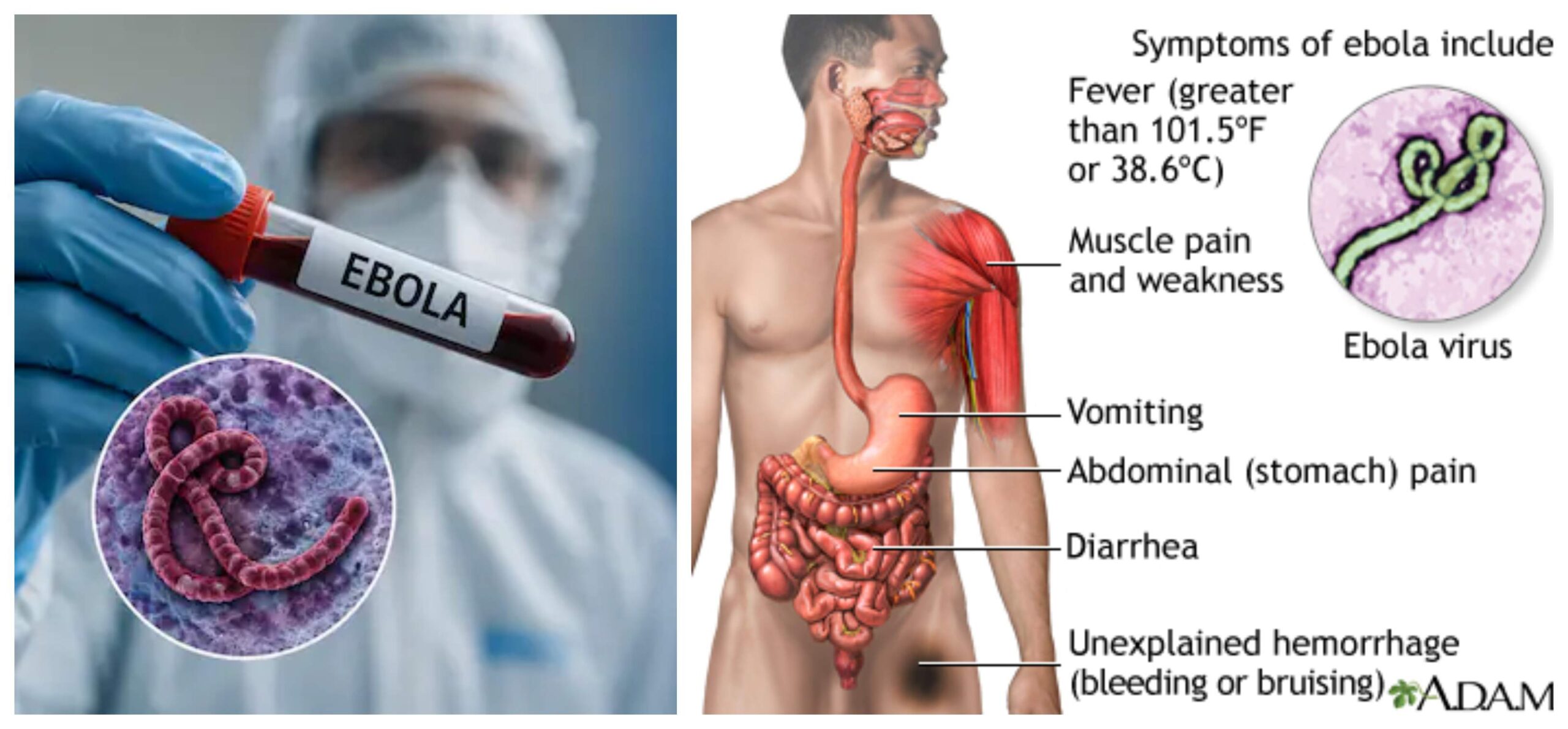
According to UAE health authorities, Ebola symptoms may appear between 2 and 21 days after exposure. Early symptoms can include:
- Fever
- Fatigue
- Headache
- Muscle pain
- Weakness
- Vomiting
- Diarrhea
- Sore throat
- Abdominal pain
In severe cases, the disease can lead to internal bleeding, organ failure, and shock.
Ebola Disease Progression
Ebola symptoms usually develop between 2 and 21 days after exposure, with most cases appearing within 8 to 10 days. The illness often progresses through several stages:
- Early Symptoms: Fever, severe headache, muscle pain, fatigue, and sore throat.
- Advanced Symptoms: Vomiting, watery diarrhea, and other unexplained gastrointestinal problems.
- Severe Complications: In serious cases, patients may experience internal and external bleeding, organ failure, and shock, which can be life-threatening.
How Does Ebola Virus Spread?
According to the Ministry of Health, Ebola can spread through direct contact with:
- The blood or bodily fluids of an infected person.
- Contaminated surfaces, objects, or materials carrying the virus.
- Infected wildlife or contaminated animal products.
- The bodies of individuals who have died from Ebola.
Health authorities advise avoiding contact with potentially infected people, animals, and contaminated items to reduce the risk of transmission.
Are There Treatments and Vaccines Available for Ebola?
Yes. The FDA-approved ERVEBO vaccine helps protect against the Zaire ebolavirus species. Treatment and prevention options depend on the specific Ebola virus strain involved, such as the Zaire or Bundibugyo species. FDA-approved monoclonal antibody therapies, including Inmazeb and Ebanga, are used to treat infections caused by the Zaire strain.
What if there is no specific vaccine or treatment?
For Ebola strains without approved vaccines or targeted therapies, patient care focuses on supportive treatment, including maintaining hydration, electrolyte balance, oxygen levels, and blood pressure to improve survival chances.
📅 Advisory Update
- Date: June 2026
Which Countries are Affected?
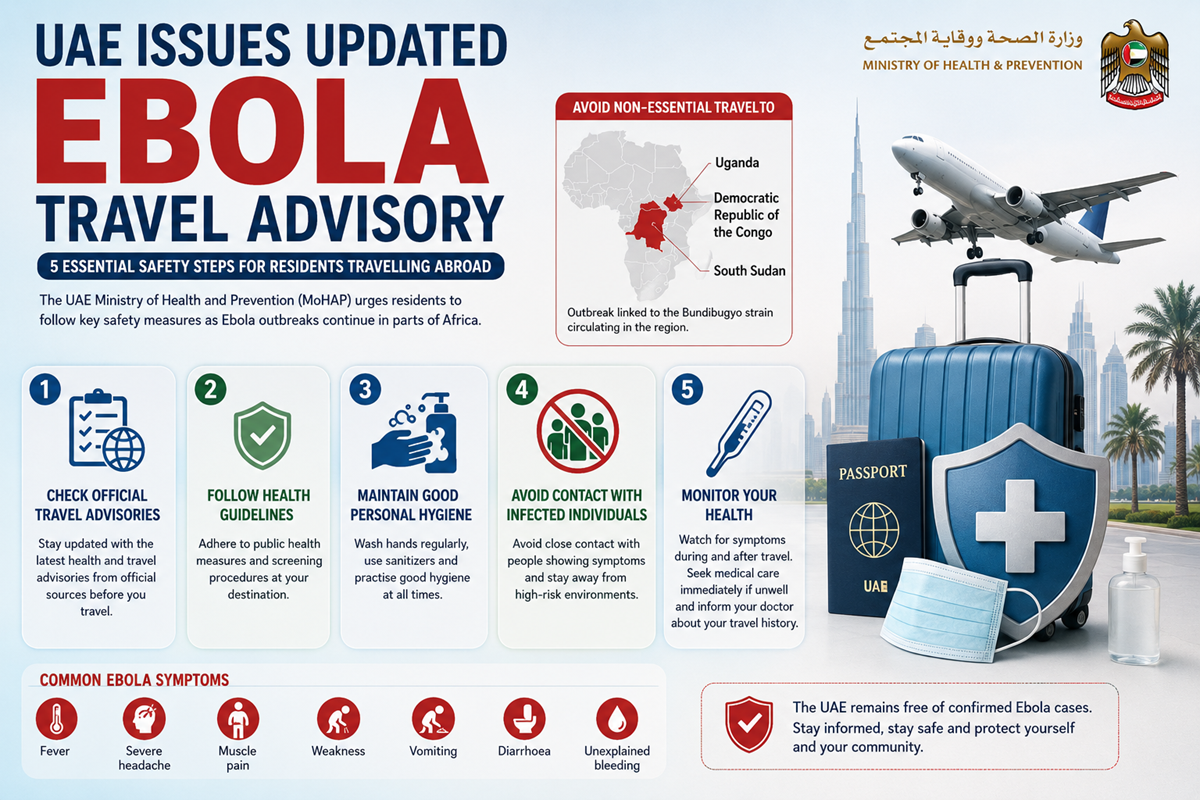
UAE authorities have advised residents to avoid non-essential travel to:
- Uganda
- Democratic Republic of the Congo
- South Sudan
The Ministry of Foreign Affairs has recommended that travel to these destinations should only be undertaken when absolutely necessary.
Ebola Travel: Safety Steps for UAE Residents
According to the updated guidance, travelers should follow these essential precautions:
1. Check Official Travel Advisories Before Departure
Before booking or starting any journey, travelers should review the latest health and travel advisories issued by UAE authorities and their destination country. Regulations and health requirements can change rapidly during outbreak situations.
2. Follow Local Health Guidelines
Travelers are encouraged to comply with all public health instructions issued by local authorities at their destination, including screening measures and reporting requirements.
3. Maintain Strict Personal Hygiene
Frequent handwashing, using alcohol-based sanitizers, and practicing good hygiene remain among the most effective ways to reduce the risk of infection while traveling.
4. Avoid Contact with Potentially Infected Individuals
Health authorities advise avoiding contact with people who display symptoms such as fever, vomiting, diarrhea, or unexplained bleeding. Travelers should also avoid exposure to bodily fluids.
5. Monitor Your Health During and After Travel
Residents should closely monitor their health during and after their trip. Anyone experiencing symptoms should seek immediate medical attention and inform healthcare providers about their recent travel history.
UAE Strengthens Preventive Measures
The UAE has also introduced additional precautionary measures, including visa suspensions and entry restrictions related to travelers from affected countries as part of its proactive public health strategy. Authorities say these measures are designed to safeguard public health while maintaining strong national preparedness.
How it affects International Travelers?
With global travel continuing to grow, health experts stress that awareness and preparation are essential. Travelers who stay informed, follow official guidance, and practice good hygiene can significantly reduce health risks while traveling internationally.
Final Takeaway
While the UAE remains free of confirmed Ebola cases, authorities are urging residents to stay vigilant, follow official travel advice, and practice preventive health measures when travelling abroad. Staying informed and taking simple precautions can significantly reduce health risks during international travel.