
Dubai’s Solar-Powered Desalination Plant: A Breakthrough in Sustainable Water Technology
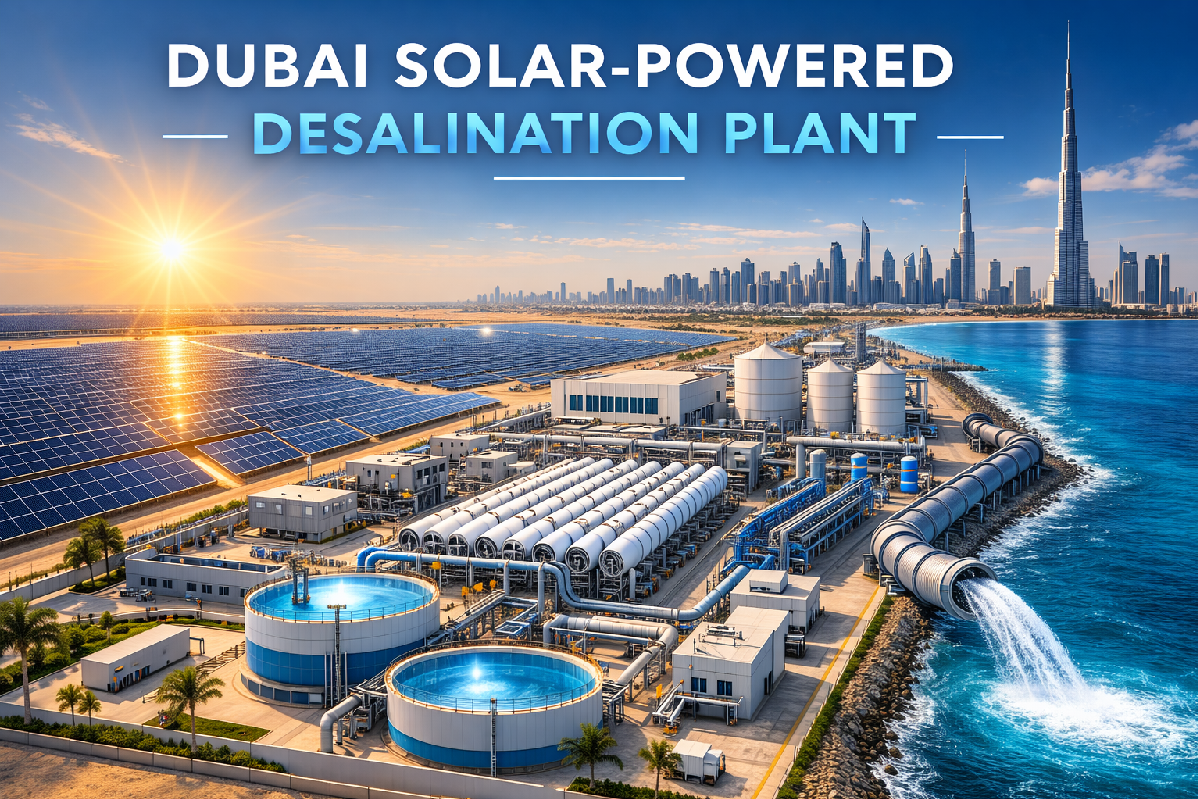
Dubai is moving forward with the development of one of the world’s largest solar-powered desalination plants, designed to transform seawater into clean drinking water using advanced membrane technology. This innovative project highlights how renewable energy and modern desalination systems can help tackle global water shortages while minimizing environmental impact.
The initiative supports Dubai’s long-term vision to strengthen water security while promoting sustainable energy use.
Hassyan Desalination Plant Project
The new desalination facility is being constructed at the Hassyan complex in Dubai, UAE. The project is led by the Dubai Electricity and Water Authority (DEWA) in partnership with the international energy company ACWA Power.
When completed, the facility is expected to become one of the largest reverse-osmosis desalination plants in the world, powered entirely by solar energy.
Key Project Facts
Drinking water supply for around two million people in UAE.
- Expected completion: 2026
- Full operation planned by: 2027
- Estimated investment: €848 million
- Daily production capacity: 818,000 cubic meters of water
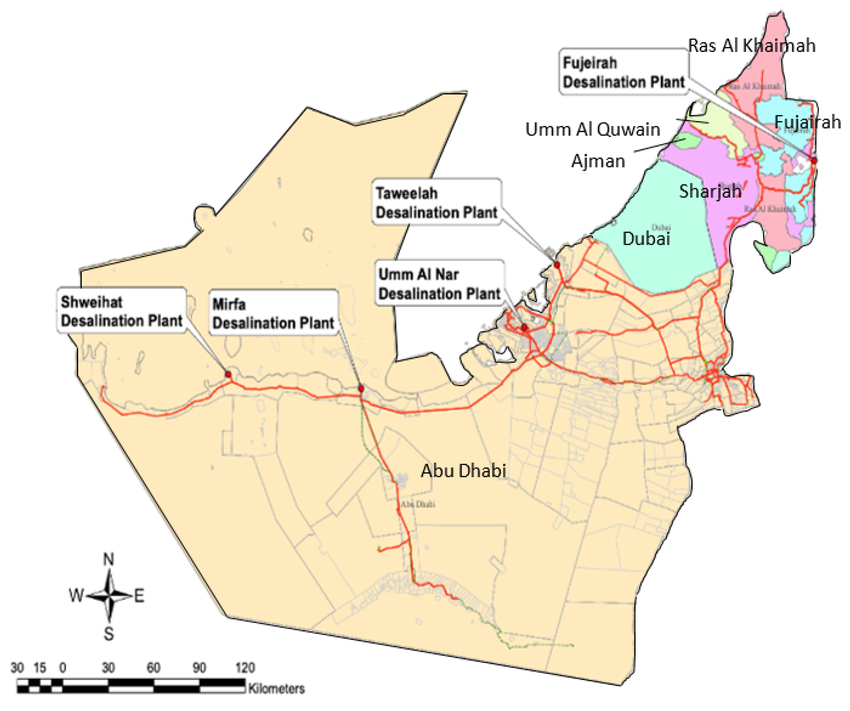
Where is the Desalination Plant located in Dubai?
Location: Jebel Ali
How Desalination Membrane Technology Works?
The plant will rely on Seawater Reverse Osmosis (SWRO) technology to produce fresh water. In this process, seawater is forced through specialized membranes that remove salt, minerals, and other impurities.
Compared with traditional desalination methods that rely on thermal processes, reverse osmosis technology consumes significantly less energy, making it a more sustainable solution.
- Main Technology Components
- Advanced reverse osmosis membrane system
- Modern pretreatment processes
- Dissolved air flotation systems to remove suspended particles
- Dual-media filtration to improve purification efficiency
Veolia’s Role in the Project
The global water technology company Veolia, through its desalination subsidiary SIDEM, is providing critical water treatment solutions for the project. The contract for these services is valued at approximately €295 million.
Veolia’s responsibilities include:
- Supplying advanced pretreatment systems
- Providing post-treatment solutions
- Supporting engineering and membrane technology integration.
Supporting Dubai’s Sustainability Strategy
These initiatives aim to improve water security, reduce carbon emissions, and increase the use of renewable energy in desalination. The project aligns with several long-term national sustainability plans in the UAE, including:
- UAE Water Security Strategy 2036
- Dubai Integrated Water Resources Management Strategy 2030
- Dubai Clean Energy Strategy 2050
- Dubai Net Zero Carbon Emissions Strategy 2050.
Environmental Benefits of Solar-Powered Desalination
Solar-powered desalination offers several advantages compared with traditional methods.
Reduced Carbon Emissions
- Using solar energy significantly reduces reliance on fossil fuels.
Improved Energy Efficiency
- Reverse osmosis membranes consume less energy than thermal desalination systems.
Sustainable Water Supply
- The plant helps ensure reliable water access in arid regions where freshwater resources are limited.
Climate-Resilient Infrastructure
- The project supports global efforts to adapt to climate change and increasing water scarcity.
Global Importance of the Project
Water shortages are becoming a serious issue in many parts of the world. Large-scale projects like the Hassyan solar-powered desalination plant demonstrate how advanced technology and renewable energy can work together to create long-term water solutions.
Dubai’s investment in sustainable desalination technology sets an example for other regions facing similar water challenges.