
How to Navigate the Legal System in Dubai
Dubai has a unique legal system. It is part of the United Arab Emirates (UAE). The legal system is based on civil law and Islamic law. This means that laws are written down and also influenced by Sharia law. Understanding how this system works is important for anyone living or working in Dubai. This article provides detailed information on the courts, lawyers, and legal procedures in Dubai.
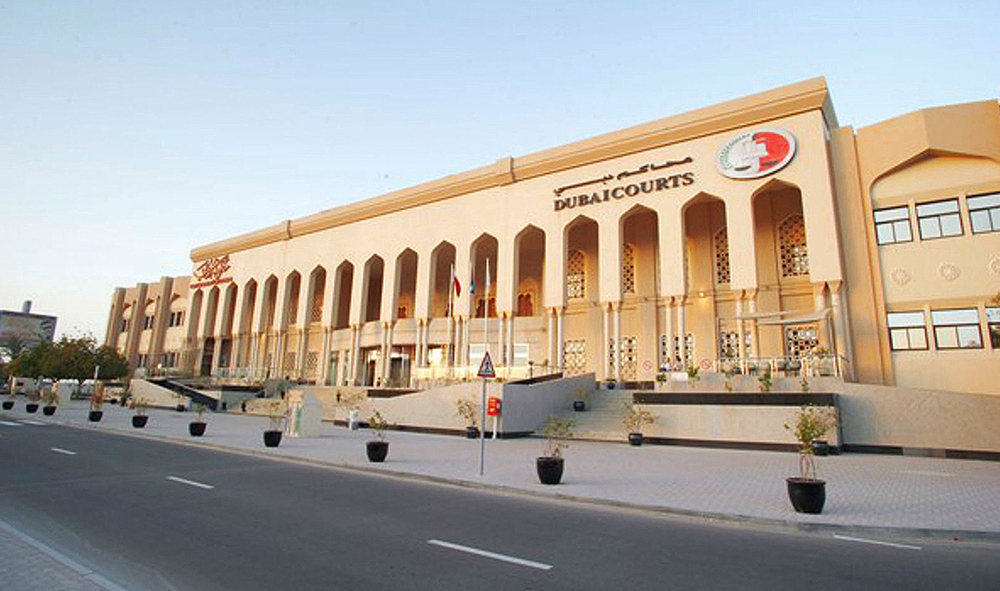
Understanding the Dubai Court System: Structure and Jurisdiction
The court system in Dubai has different levels. Each court has its own rules and procedures. Knowing which court to go to is essential for your case.
- Court of First Instance: This is where cases start. It handles civil, criminal, and family matters.
- Court of Appeal: If someone disagrees with a decision from the Court of First Instance, they can appeal here. This court reviews the case.
- Court of Cassation: This is the highest court in Dubai. It only hears important cases that involve legal questions.
- Special Courts: Dubai also has special courts like the Dubai International Financial Centre (DIFC) Courts. These handle business and financial disputes.
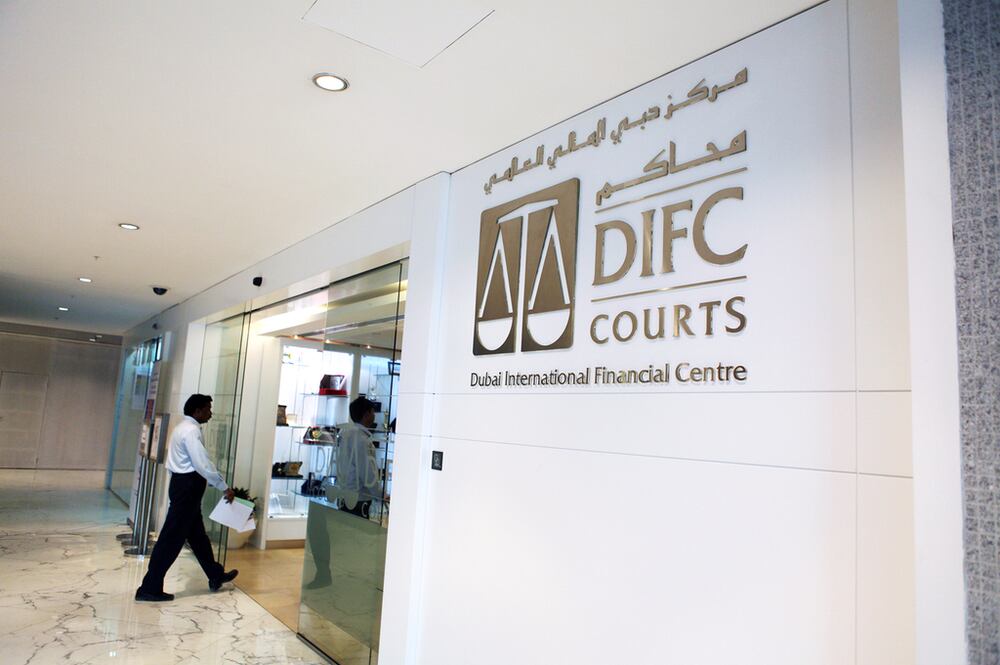 Dubai International Financial Centre (DIFC)
Types of Legal Cases: Civil, Criminal, and Commercial
There are three main types of legal cases in Dubai:
- Civil Cases: These involve disputes between individuals or organizations. Examples include contract disputes and property issues.
- Criminal Cases: These involve actions that are against the law. Examples include theft, fraud, and assault.
- Commercial Cases: These are related to business matters. They can involve contracts, partnerships, and company disputes.
Finding Legal Representation: Hiring a Lawyer in Dubai
Hiring a lawyer is an important step if you need legal help:
- Look for a lawyer who specializes in your type of case. For example, if you have a business dispute, find a commercial lawyer.
- Ensure the lawyer is licensed to practice in Dubai. You can check their credentials online.
- Many lawyers offer a free initial consultation. Use this time to discuss your case and ask questions.
- Ask about fees upfront. Some lawyers charge by the hour, while others may have flat fees for specific services.
Legal Procedures in Dubai: From Filing to Judgment
The legal process in Dubai involves several steps:
- To start a case, you must file documents with the appropriate court. This includes your complaint and any evidence.
- After filing, there will be hearings where both sides present their arguments. You may need to attend several hearings.
- After all hearings are complete, the judge will make a decision. This decision is called a judgment.
- If you win your case, you may need to take steps to enforce the judgment. This could involve collecting money or ensuring compliance.
Court Etiquette and Procedures: What to Expect in Dubai Courts
When attending court in Dubai, it’s important to follow certain etiquette:
- Dress Code: Wear formal clothing when attending court. This shows respect for the legal process.
- Arrive on Time: Always arrive early for your hearing. Being late can cause delays or even affect your case.
- Addressing the Judge: When speaking to the judge, use respectful language. Address them as “Your Honor.”
- Silence in Court: Maintain silence during proceedings unless asked to speak. Disruptions can lead to penalties.

Alternative Dispute Resolution Methods in Dubai
Sometimes, disputes can be resolved without going to court:
- Mediation: This involves a neutral third party helping both sides reach an agreement. It is often quicker and less expensive than going to court.
- Arbitration: In arbitration, a neutral party makes a binding decision on the dispute after hearing both sides. It is more formal than mediation but still less formal than court.
- Conciliation: Similar to mediation, conciliation involves a third party who helps parties find common ground but may also suggest solutions.
Using these methods can save time and reduce costs for everyone involved.

Legal Aid and Assistance Programs in Dubai
If you cannot afford a lawyer, there are options available:
- Legal Aid Programs: The government offers legal aid services for those who qualify based on income levels. This can help cover legal costs.
- Pro Bono Services: Some lawyers provide free services for certain cases. Look for organizations that offer pro bono assistance.
- Community Resources: Various non-profit organizations provide legal advice and support for low-income individuals.
Navigating Legal Documents and Forms in Dubai
- Familiarize yourself with common legal forms used in Dubai courts. This includes complaints, appeals, and evidence submissions.
- Be clear and accurate when filling out forms. Mistakes can delay your case or lead to rejection.
- If documents are not in Arabic, they may need translation by an official translator. Ensure translations are accurate
- Follow court rules for submitting documents. Make sure you submit everything on time.
Appeals and Enforcement of Court Decisions in Dubai
If you disagree with a court decision, you may have options:
- Filing an Appeal: You can appeal a decision if you believe there was an error in how the law was applied or interpreted. There are strict deadlines for filing appeals.
- Grounds for Appeal: Common grounds include procedural errors or new evidence that could change the outcome of the case.
- Enforcement of Judgments: If you win your case but face challenges getting what was awarded (like money), you may need to ask the court for help enforcing it.

Navigating the legal system in Dubai can seem difficult but understanding its structure helps simplify it. From knowing how courts operate to finding legal representation, each step is important. By understanding alternative dispute resolution methods and available resources like legal aid, individuals can better manage their legal issues. Whether dealing with civil or criminal matters, being updated about procedures will help ensure that justice is served effectively within Dubai’s unique legal framework.
Is there any problem / complaint with reaching the How to Navigate the Legal System in Dubai Address or Phone number? Please report any issues using the below comment form.