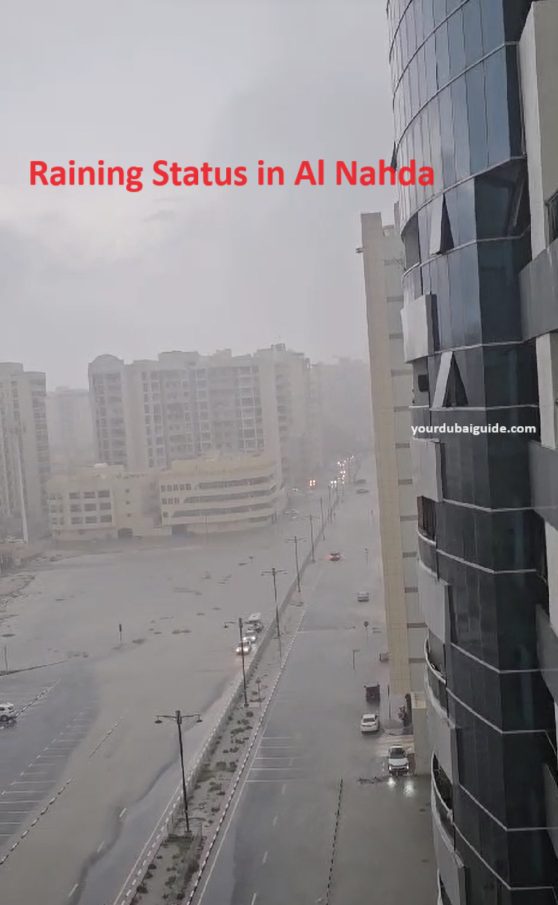
The United Arab Emirates (UAE) is known for its hot and arid climate, but this year, the country is experiencing unstable weather conditions, with heavy rainfall, thunderstorms, and floods.
The UAE recorded its heaviest rains in 75 years, with Dubai experiencing its wettest day in history, receiving 1.5 years of rain in just 24 hours. This article provides detailed information on the reasons behind this unstable weather, its impact on people, and some safety and precautionary tips to stay safe during these weather events.

What Makes UAE Weather Unstable in 2024?
The UAE’s weather instability in 2024 can be due to several factors.
- One of the main reasons for the UAE’s unstable weather conditions is the presence of an upper air depression combined with a cold air mass and westerly air currents. These weather conditions bring varying cloud cover from the West, leading to heavy rainfall, thunderstorms, and floods.
- The rainfall was caused by a passing storm system moving across the Arabian Peninsula and the Gulf of Oman.
- The National Centre of Meteorology (NCM) has warned of “unstable weather conditions” with strong winds and rainfall of different intensities.
- The weather is expected to worsen over the weekend, affecting different regions of the country.
The impact of heavy rainfall and floods on people in UAE:
Heavy rainfall and floods in the UAE have caused major damage to the people.
- The storm caused flooding in roads, offices, and homes, trapping residents and causing traffic jams for hours. Some areas receive around 10 inches of rain in 24 hours.
- Dubai International Airport was flooded, resulting in flight diversions, delays, and cancellations.
- The airport struggled to provide food to stranded passengers due to blocked roads and overcrowding.
- Low-lying areas were particularly affected, with water overflowing onto streets, parks, and neighborhoods, putting people at risk and causing damage to houses and commercial buildings. The floods also affected sewage and electricity networks.
- The severe weather conditions have also had an impact on residents’ behaviour. Only about one-third of UAE residents have home insurance, but there has been an increase in demand for flood-related insurance policies in the UAE since last year, especially after the heavy rains and flooding that hit Fujairah and other emirates earlier this year.
- One person was reported dead in the UAE and 20 in Oman.
- The UAE lacks adequate drainage infrastructure to cope with heavy rains. This worsens the flooding problem.
- The construction and tourism sectors, which are vital to the UAE’s economy, have also been affected, with projects delayed and tourist attractions temporarily closed.
Deluge Disruption:
Record Rainfall Wreaks Havoc on UAE, Grounds Dubai Flights:
The United Arab Emirates (UAE) has recently experienced record-breaking rainfall, which caused flooding in various parts of the country. The rainfall was so intense that it reached 150 mm/hour for 2.5 hours, causing floods in some areas and traffic jams. The rainfall was so heavy that it was the wettest weather in decades for the UAE.
The rain was so intense that it flooded the roads around Dubai International Airport, causing flight delays and diversions. The Dubai Roads and Transport Authority advised people to take alternate routes due to the flooding of the Marrakech Tunnel. The airport also experienced operational malfunctions and waterlogging in some parts, leading to delays in flight schedules.
The disruptions to air travel have affected not only passengers but also the airline industry. Some safety tips to save yourself from this unstable weather: During heavy rainfall or floods in the UAE, it is important to follow these safety measures:
● Check for weather updates frequently.
● Check water sewerage channels to minimize the risk of water accumulation in
your area.
● Disconnect home devices from the power source to protect them from electrical
current.
● Avoid touching metallic objects or electrical devices during a thunderstorm.
● Do not use water taps or any water connected to the plumbing system, as
lightning can potentially strike the wires and pipes.
● Stay indoors unless there is a serious emergency.
● Stay away from glass windows and doors.
● Do not allow children to play outside the house.
● Disconnect electrical current and close the water network.
● Avoid standing under tall trees, electricity posts, and telecommunication posts
during thunderstorms.
● Do not try to walk in flowing water, in valleys, or near dams or pools.
● Try to find a safe place and stay away from electrical power sources during heavy
rains.
● Avoid using mobile phones except in urgent cases, especially during
thunderstorms.
● Stay away from valleys, beaches, and places where water flows during heavy
rainfall. These areas are prone to flooding and can be dangerous.
Emergency numbers to call during heavy rainfall, thunderstorms, and floods in the UAE:
During heavy rainfall, thunderstorms, and floods in the UAE, it is important to know the emergency numbers to call for assistance. The following are the emergency hotline numbers for each Emirate:
● Abu Dhabi:
Contact the Abu Dhabi Department of Municipality and Transport’s 24/7 hotline at 800 850.
Dubai:
Contact the Dubai Municipality 24×7 call centre at 800 900 or message the authority through their official WhatsApp account on the same number.
Sharjah:
Call the Sharjah Municipality number 993 to report flooding in your area or damage caused by unstable weather.
Ajman:
Contact the Ajman Municipality at 80070 for any damages that may result from the heavy rain.
Umm Al Quwain:
Contact the Umm Al Quwain Municipality at 800 898.
Ras Al Khaimah:
Contact the Public Service Department (PSD) at 8008118.
Fujairah:
Call the Fujairah Municipality’s customer care centre at 80036.
For electricity and water supply emergencies, the following numbers are available:
● Abu Dhabi Distribution Company (ADDC): 24×7 call centre for electricity-related issues at 800 2332.
● Dubai Electricity and Water Authority (DEWA): Customer care centre at 04 601-9999 or emergency hotline at 991.
● Sharjah Electricity and Water Authority (SEWA): Emergency hotline at 991 or customer care centre at 600 566665.
● Etihad Water and Electricity: Toll-free numbers for emergencies related to electricity (991), water supply (992), and call centre (800 3392).
Where can you check UAE weather reports?
To check UAE weather reports, you can visit the following websites:
National Center of Meteorology (NCM):
The NCM provides detailed weather forecasts, radar images, and weather alerts for the UAE. You can access their website at ncm.ae or mobile.ncm.gov.ae
Met Office:
The Met Office provides eight-day weather forecasts for Dubai and other UAE locations. You can access their website at metoffice.gov.uk
Weather.com:
Weather.com provides 10-day weather forecasts for Dubai and other UAE locations. You can access their website at weather.com