
Installing CCTV at Home in UAE
Installing CCTV cameras at home is becoming more common in the UAE. Many people want to protect their homes and families. CCTV cameras help keep an eye on your property. However, there are important rules to follow. These rules ensure privacy and safety for everyone. This article provides detailed information on how to install CCTV at home in the UAE.
Why Install CCTV at Home?
- CCTV cameras serve many purposes. They provide security and peace of mind for homeowners. CCTV cameras help protect your home from theft and vandalism. When burglars see a camera, they may think twice before breaking in. CCTV can help you keep an eye on your family, especially children or elderly members0.
- You can check in on them when you are away from home. If a crime happens, CCTV footage can provide important evidence. This can help law enforcement solve cases more quickly.
Choosing the Right CCTV System
Before installing CCTV, it is important to choose the right system for your needs.
Types of Cameras
There are different types of CCTV cameras available. Choosing the right type depends on where you want to install them and what you need to monitor.
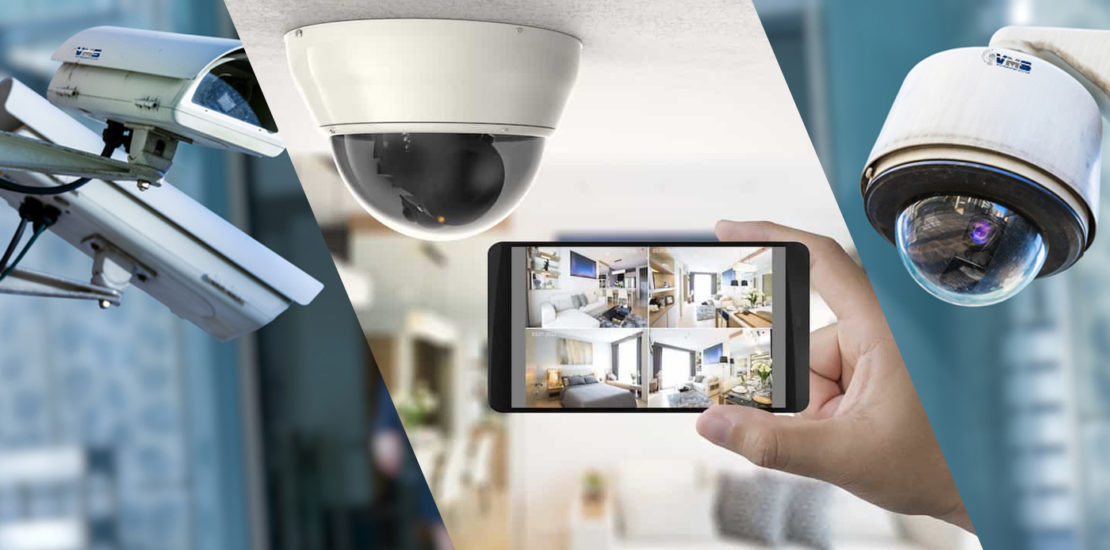
- Dome Cameras: These are round and can be mounted on ceilings. They are good for indoor use.
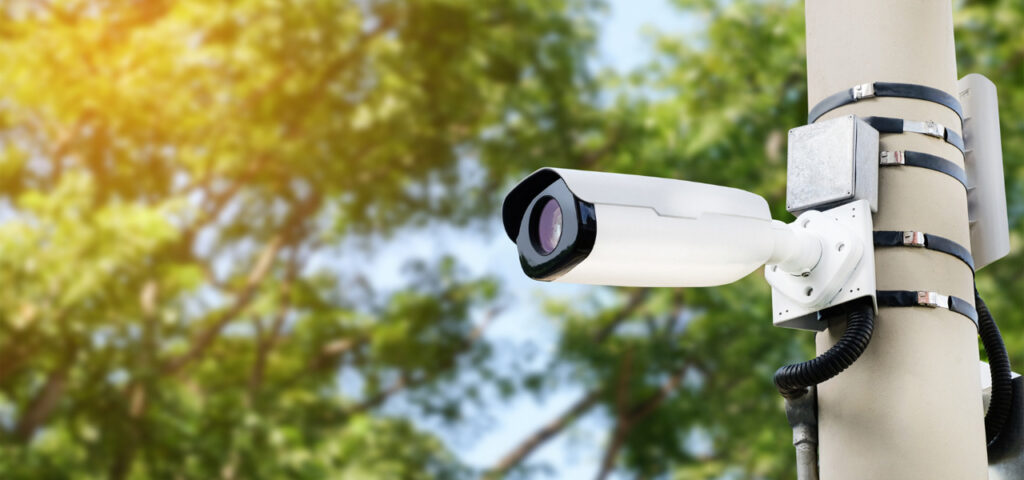
- Bullet Cameras: These are long and cylindrical. They are often used for outdoor surveillance.
- IP Cameras: These cameras connect to the internet and allow remote viewing from smartphones or computers.
Camera Features
Look for features that suit your needs:
- Night Vision: This allows cameras to capture clear images in low light.
- Motion Detection: Cameras with this feature can alert you when they detect movement.
- Two-Way Audio: Some cameras allow you to listen and talk through the camera.
Installing CCTV
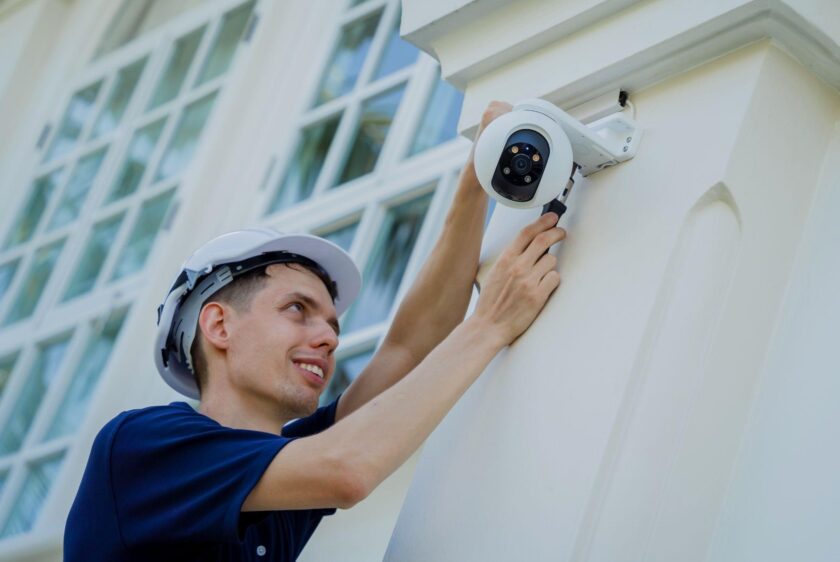
- Start by planning where you want to place the cameras.
- Install cameras near doors and windows.
- Place cameras in living rooms or hallways.
- Monitor driveways, backyards, or garages.
- Make sure the cameras cover all vulnerable areas of your property.
Connecting to Power and Internet
- Wired Cameras: These need to be connected directly to a power outlet.
- Wireless Cameras: These run on batteries but may need a Wi-Fi connection for remote access.
Privacy Laws in the UAE
When installing CCTV at home, it is crucial to follow privacy laws in the UAE.
Consent Requirement
You must inform people if they are being recorded:
- If you have guests or workers at home, let them know about the cameras.
- It is important to respect their privacy rights.
Avoiding Public Spaces
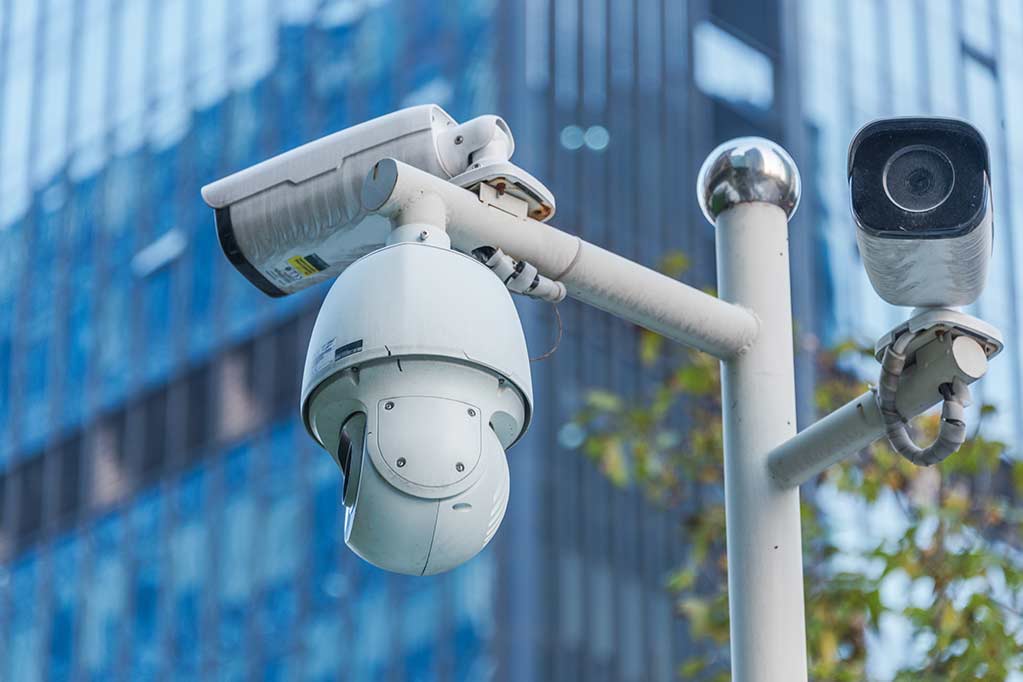
- Do not point your cameras at public spaces.
- Cameras should only monitor your private property.
- Avoid capturing footage of neighbors’ properties or public areas without permission. This helps prevent legal issues related to invasion of privacy.
Data Protection Regulations
- Store footage securely to prevent unauthorized access.
- Delete old footage after a certain period unless needed for evidence.
Installing CCTV at home in the UAE is an effective way to enhance security and protect your family. However, it is important to follow key rules regarding privacy and safety compliance. By choosing the right system, planning carefully, and respecting privacy laws, you can create a safe environment in your home. With these guidelines, homeowners can enjoy peace of mind knowing their property is under surveillance while respecting the rights of others around them.
Rate your experience with Installing CCTV at Home in UAE(click on the stars below)[yasr_visitor_votes]